
The Journey Behind
Heart Centered Horsemanship
Sometimes we look at what we were taught when we were younger and realize it isn't our truth.
Sometimes we have to create something different.
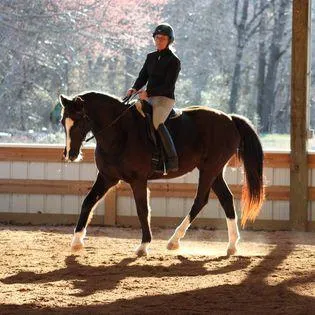
Heart Centered Horsemanship is about choosing co-creation instead of control.
Traditional training often emphasizes controlling the horse. Co-creation is about awareness, intention, and relationship. By learning how to hold a supportive, regulated space, we invite the horse to show up in their full capacity. This isn't about dominance, it's about creating conditions for the horse to thrive.
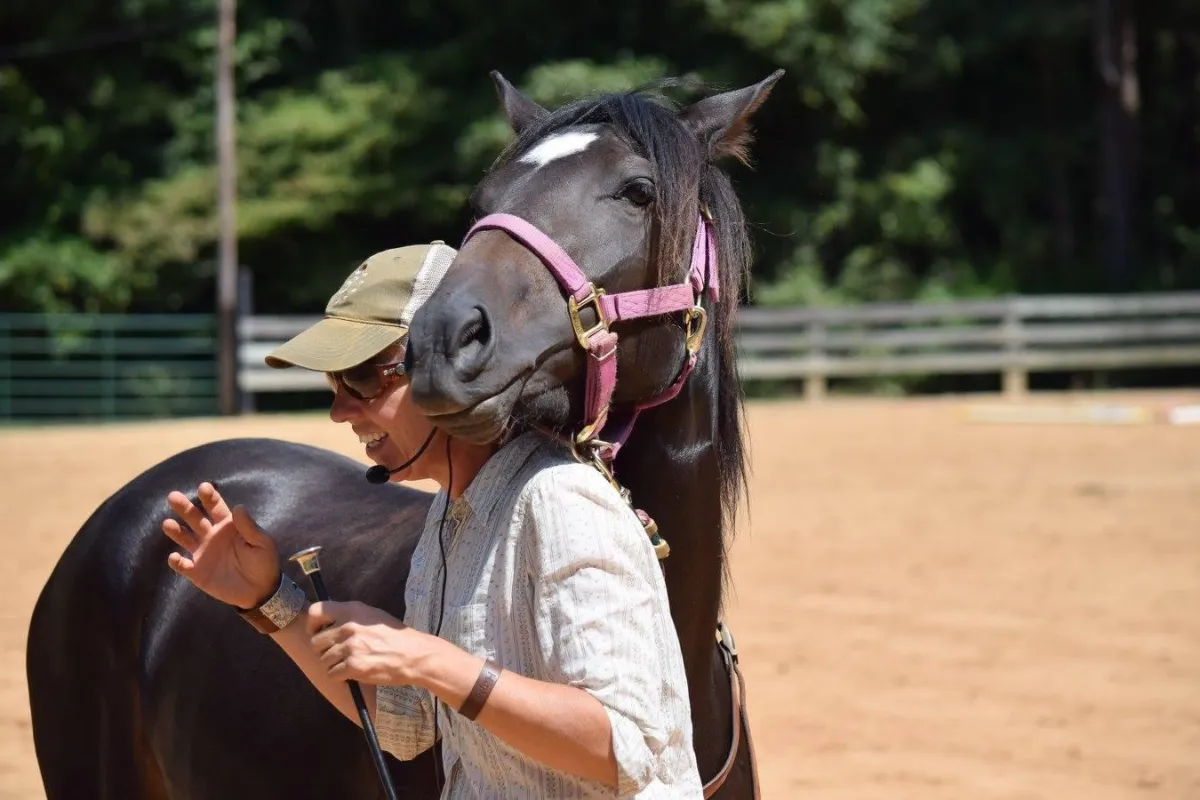
This approach prioritizes the quality of the horse's experience.
The process has been shaped by working with many horses with difficult behaviors. When horses feel scared, confused, overwhelmed, or triggered as a result of past experiences, they can become hard to handle and even dangerous. Addressing these challenges isn’t about training, it’s about restoring a sense of safety, building trust, and developing clear, confident communication that supports cooperation.
"That which is forced is never beautiful."
Xenophon, the Art of Horsemanship
Partnering with an animal as powerful as a horse isn't always easy.
It can seem overwhelming at times.
We may have never thought about how we manage our fear and frustration.
We may not have considered what drives the choices we make in our relationship with the horse.
Dominance is one way we address the fear of something potentially threatening.
Fear drives us to need to control, to have power over.
Control creates conditions of dominance and submission.
What if we prefer to engage with horses as equals?
Choosing non-dominance does not mean being passive.
It is about cultivating another kind of power.
My Story...
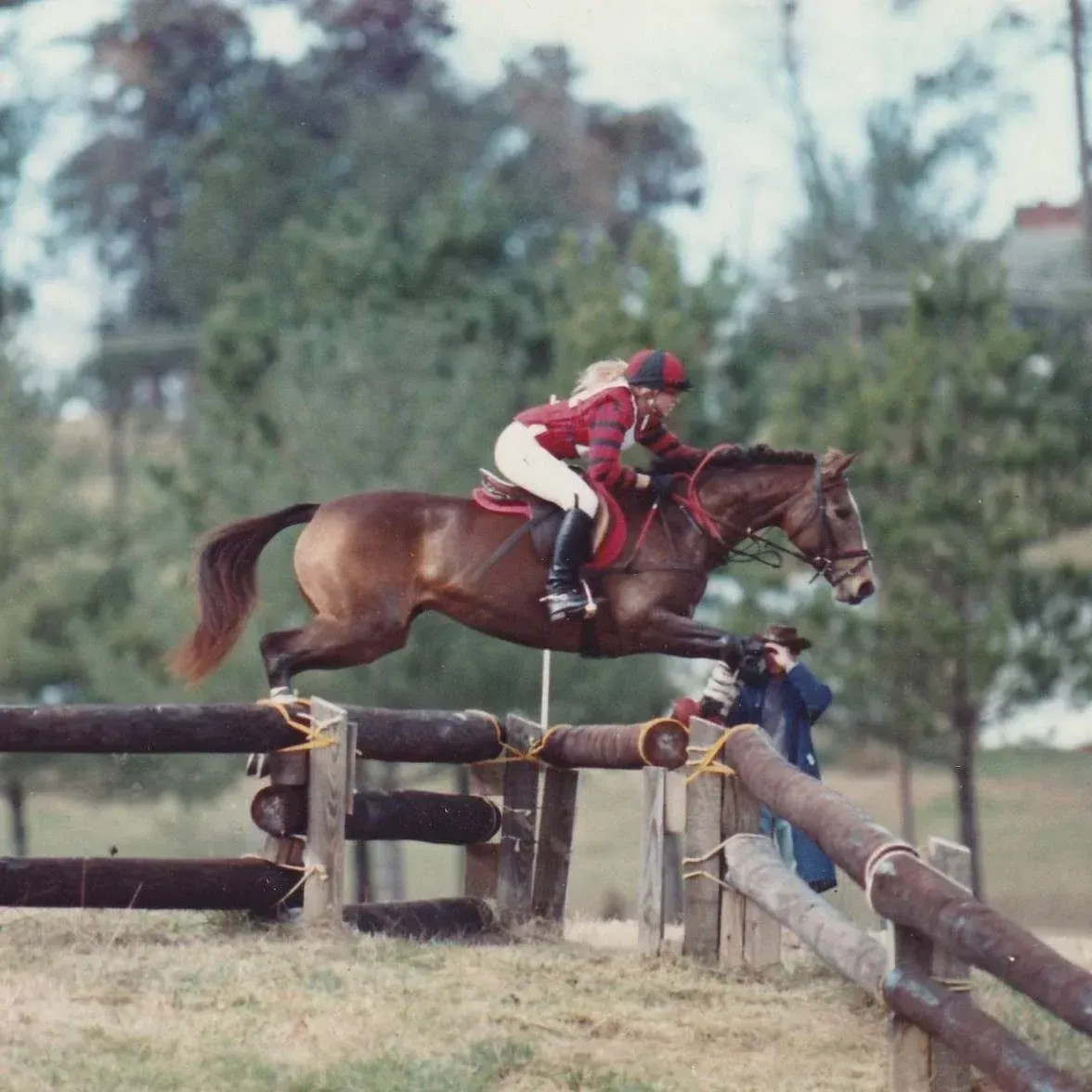
When I started riding horses as a child, it never occurred to me that one day their role would shift from partners in sports to spiritual guides. At the time, equine-assisted learning wasn’t even a concept. My weekly lessons centered around how I could get my horse to perform better in competitions. During my teenage years I competed extensively with my mare Cricket in combined training events. I was addicted to galloping fast and jumping big. I liberally used bits, whips, and spurs as I was told to do, rarely considering my horse’s opinion in the matter. It wasn’t something I thought much about, I was doing what I was told. The goal was to win and that’s how you did it.
As an adult, I found myself questioning everything I’d learned about training horses. In my early 30s, I was in the position of operating a training business that focused on starting young horses and rehabilitating those with behavior challenges while also teaching at a therapeutic riding facility. Equine-assisted psychotherapy was just coming into existence, and I was fascinated. I became a PATH Certified Equine Specialist in Mental Health and Learning as soon as the credential was available.
Shortly after, our center partnered with a mental health counselor to serve students in an alternative school run by a local group home for children. The kids that came through the program had stories that would break your heart. They were very familiar with abuse, mistreatment, and not having a voice. It was important to me that what I taught them wasn’t another form of dominance. I wanted to show them a better way of being in the world so that they could stop the cycle of abuse they’d gotten caught up in through no fault of their own. I also didn’t want to feel like I was teaching them something different than what I was doing with the horses in my training program.
My Story...
When I started riding horses as a child, it never occurred to me that one day their role would shift from partners in sports to spiritual guides. At the time nobody talked about learning from horses.
During my teenage years I competed extensively with my mare Cricket. I loved to gallop fast and jump big. I used bits, whips, and spurs, as I was told to do by my trainers. At the time I didn't really question the methods, I went along with the program.
As an adult, I found myself questioning everything I’d learned about riding and training.
In my early 30s, I was in the position of operating a training business that focused on starting young horses and rehabilitating those with behavior challenges while also teaching at a therapeutic riding facility. Equine-assisted mental health and learning was just coming into existence, and I was fascinated. I became a PATH Certified Equine Specialist in Mental Health and Learning as soon as the credential was available.
Shortly after, our center partnered with a mental health counselor to serve students in an alternative school run by a local group home. The kids that came through the program had stories that would break your heart. They were very familiar with abuse, mistreatment, and not having a voice. It was important to me that what I taught them wasn’t another form of dominance. I wanted to show them a better way of being in the world so that they could stop the cycle of abuse they’d gotten caught up in through no fault of their own. I also didn’t want to feel like I was teaching them something different than what I was doing with the horses in my training program.
This led me to carefully examine every method I was incorporating in my training practice.
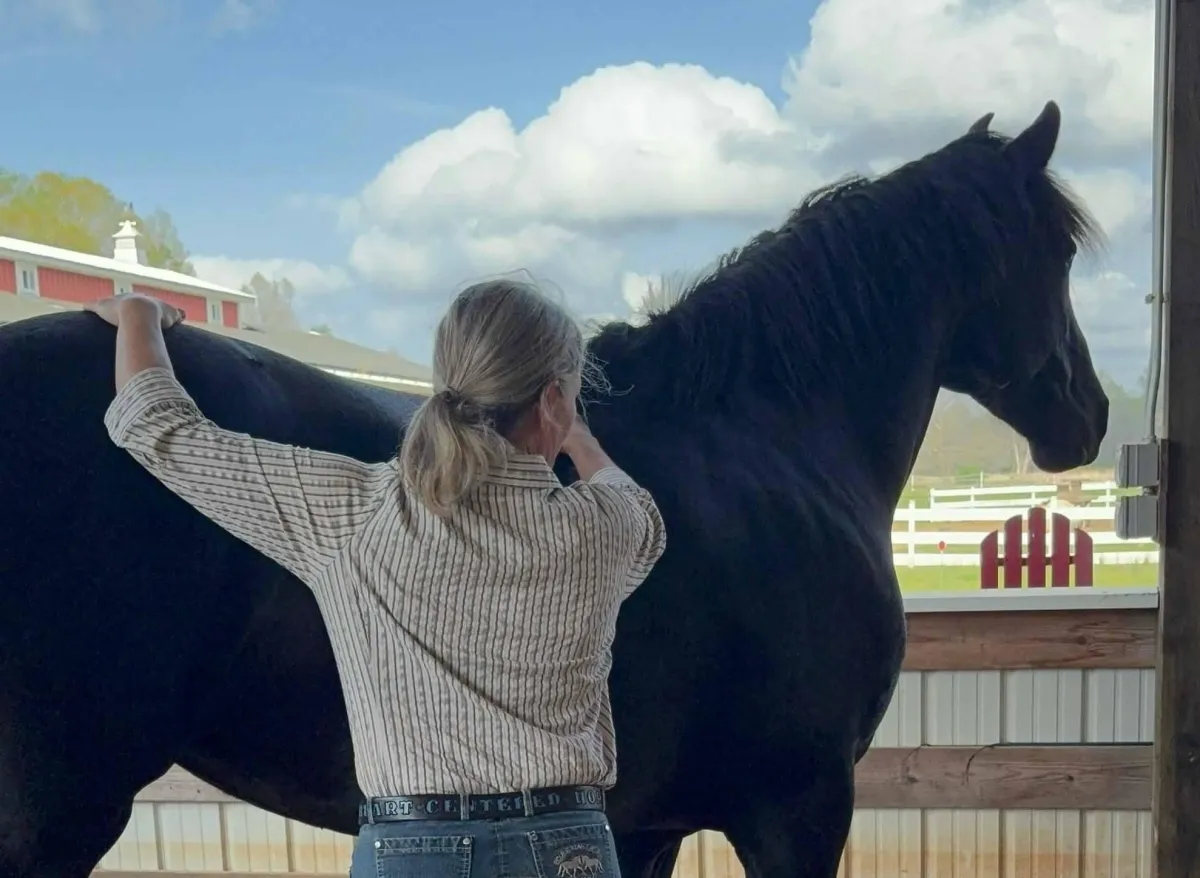
I made it my mission to discover a way of engaging with horses that honored their sentience and that also led to cooperation and the ability to work together in a mutually beneficial way. I wanted relationships that felt good to both the humans AND the horses.
While some of the horses I worked with were easy-going, good natured youngsters who just needed an introduction to a saddle and rider, others had past experiences had left them with challenging and sometimes dangerous behaviors. Helping these horses was about more than just training, they needed a nervous-system reset. These horses taught me much of what I share with my students today.
The way I teach horsemanship now is about creating a relationship in which the horse feels safe and in which they are willing partners in our endeavors together. It’s about communicating clearly in a way that they naturally understand. It’s about ensuring their needs are met so they can comply with our requests willingly and confidently. This approach isn’t so much about training horses as it is about training people. It’s about showing up in a way that the horse wants to engage and participate.
My methods integrate my experience as a rider, instructor, equine specialist, registered yoga teacher, certified Debono Moves practitioner, and dedicated student of the horse. My approach is rooted in a belief that the horse's emotional experience matters in our interactions with them. I believe that if we let the horses be our teachers, they can have valuable lessons in balance, partnership, and living with joy and abundance.
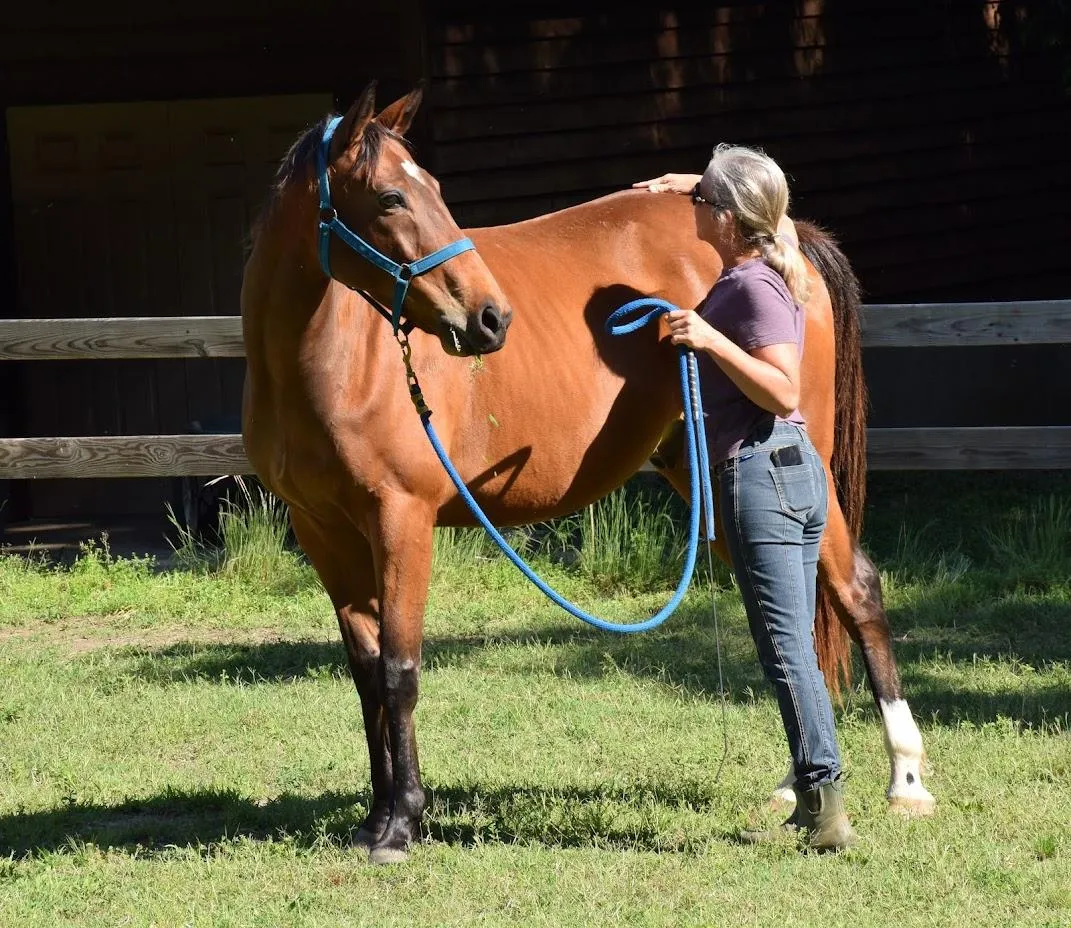
Stacey has a BA in Medical Ethics from Davidson College. She is a PATH Certified Equine Specialist in Mental Health and Learning, Registered Yoga Teacher, and Certified Debono Moves Practitioner. She has over 3 decades of experience with horses, with a focus on behavioral rehabilitation and working with rescues as well as starting horses for riding.
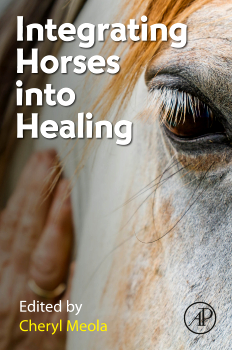
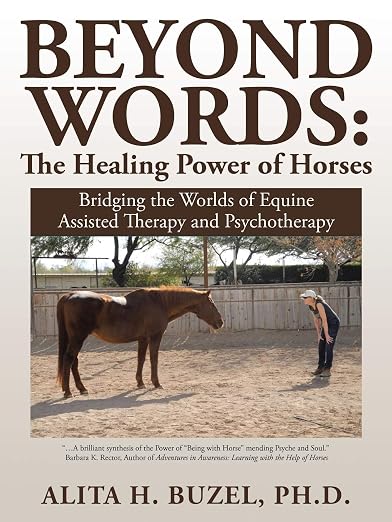
Stacey's work is featured in Integrating Horses into Healing by Cheryl Meola and Beyond Words: The Healing Power of Horses by Alita Buzel - two respected resources in the field of equine-assisted services that highlight stories and insights from practitioners who are reimagining what’s possible in horse-human relationships.
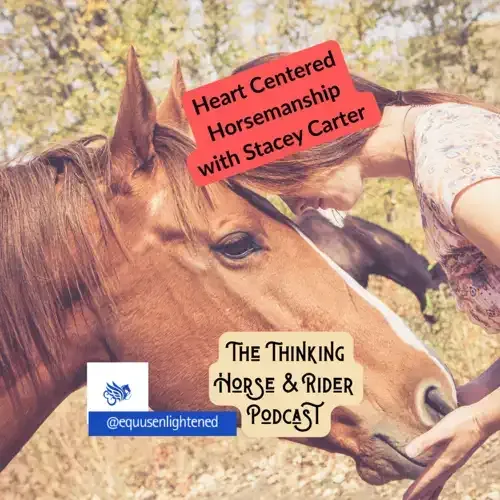
Stacey goes into depth about the philosophy and applications of Mindful Horsemanship in her interview with Anna Fox on the Thinking Horse and Rider Podcast. Listen to the full conversation below!
Whether you're a lifelong horseperson or have never owned a horse,
I invite you to join me in this journey to discover what horses can teach us about being better humans.
May your path be peaceful,
Stacey
Mastering the horse starts with our own nervous system.
Sign up for our mailing list and receive a free grounding and regulation guide.
Let The Horse Be Your Teacher
©2026 Heart Centered Horsemanship - All Rights Reserved - Terms - Privacy